Other Japanese computers (niche)
The rare / niche Japanese machines outside the big lines. Generic 8-bit repair & modernisation at the bottom, with a pointer to the Methods hub.
Catalogue
| Machine | Year | CPU | Notable for |
|---|---|---|---|
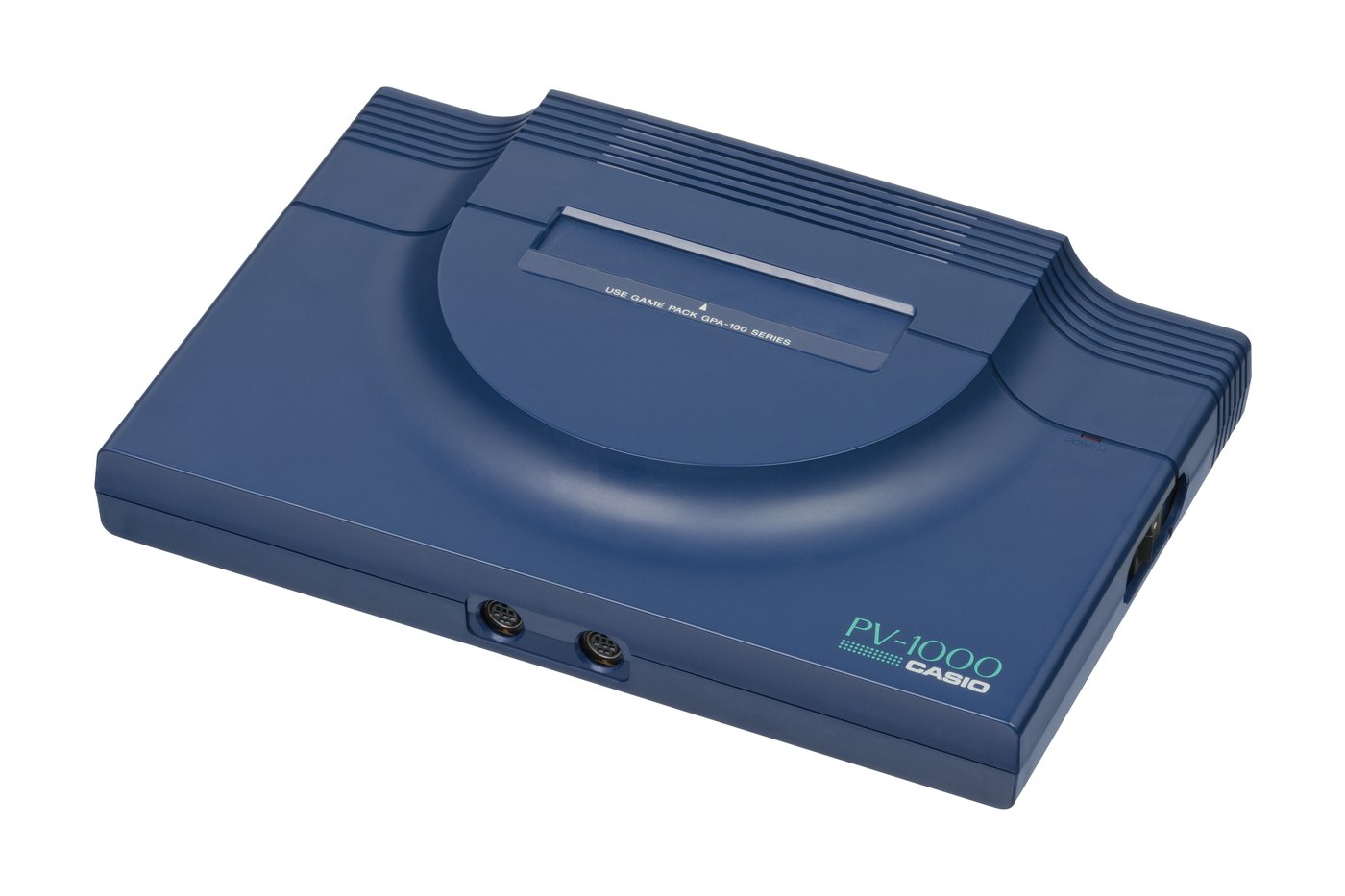
| Casio PV-1000 | 1983 | Z80 @ ~3.58 MHz | Casio's game console (17,897,725 ÷ 5), very short-lived |
| Casio PV-2000 | 1983 | Z80A | "Casio-tron", TMS9918-like + SN76489, cartridge |
| Casio FP-1100 | 1983 | Z80 (+ sub-CPU) | business-oriented, expandable |
| Hitachi Basic Master (MB-6880…) | 1978 | 6800 | one of the very first JP micros (6800, rare) |
| Toshiba Pasopia (7 / IQ…) | 1981 | Z80 | Toshiba's pre-MSX line; Pasopia IQ = MSX |
| Bandai RX-78 | 1983 | Z80A | Gundam theme, cartridge, a curiosity |
| Tomy Tutor / Pyuuta | 1982 | TMS9995 | consumer, TMS9918 VDP, Japanized |
Already detailed: Sord M5, NEC PC-6001/8001, plus the big lines MSX, X68000, X1/MZ, PC-88/98, FM Towns, FM-7.
Repair & modernisation (generic 8-bit)
- Recap (PSU + board) → Recap; mains RIFA → replace.
- Cartridge contacts (Casio/Bandai/Tomy): clean (the #1 "won't start" cause).
- TMS9918/9995 VDP + SN76489: diagnose by substitution; the VDP is shared with MSX/Coleco → RGB mods (an F18A replacement for crisp VGA/RGB).
- Modern storage: multi-game cartridges; cassette → audio; community SD interfaces.
- Video: RF → composite mod; RGB → OSSC/RGB2HDMI.
⚠️ Do not host ROMs/games — method only. A machine deserves its own page? Just ask.
Archived documentation ✅
Manufacturer documentation for machines in this catalogue, archived locally.
Status
Manufacturer documents with no explicit licence, kept for preservation.
See also
Sources & attribution
- Wikipedia — Casio PV-2000, Hitachi Basic Master, Toshiba Pasopia, Bandai RX-78, Tomy Tutor — CC-BY-SA — https://en.wikipedia.org/wiki/Casio_PV-2000
- Established JP retro community knowledge (contacts, VDP, recap) — synthesis.
Image:
-
casio-pv-1000.jpg— Evan-Amos, public domain, Wikimedia Commons — https://commons.wikimedia.org/wiki/File:Casio-PV-1000-Console-01.jpg

Review & corrections
How this space is used
Spotted a wrong value, an outdated procedure, a chip reference that does not match your board? Say so here, with what you observed (model, board revision, serial number, measurement). Every report is cross-checked against a source before anything changes — an unverifiable correction is published as “reported by …, not cross-checked” rather than silently applied.
Reading is open to everyone; posting requires signing in with Discord. Reports from the wiki's declared reviewers are handled first; anyone else's are read too, but go through a human before anything is changed.